 (218) 849-9794



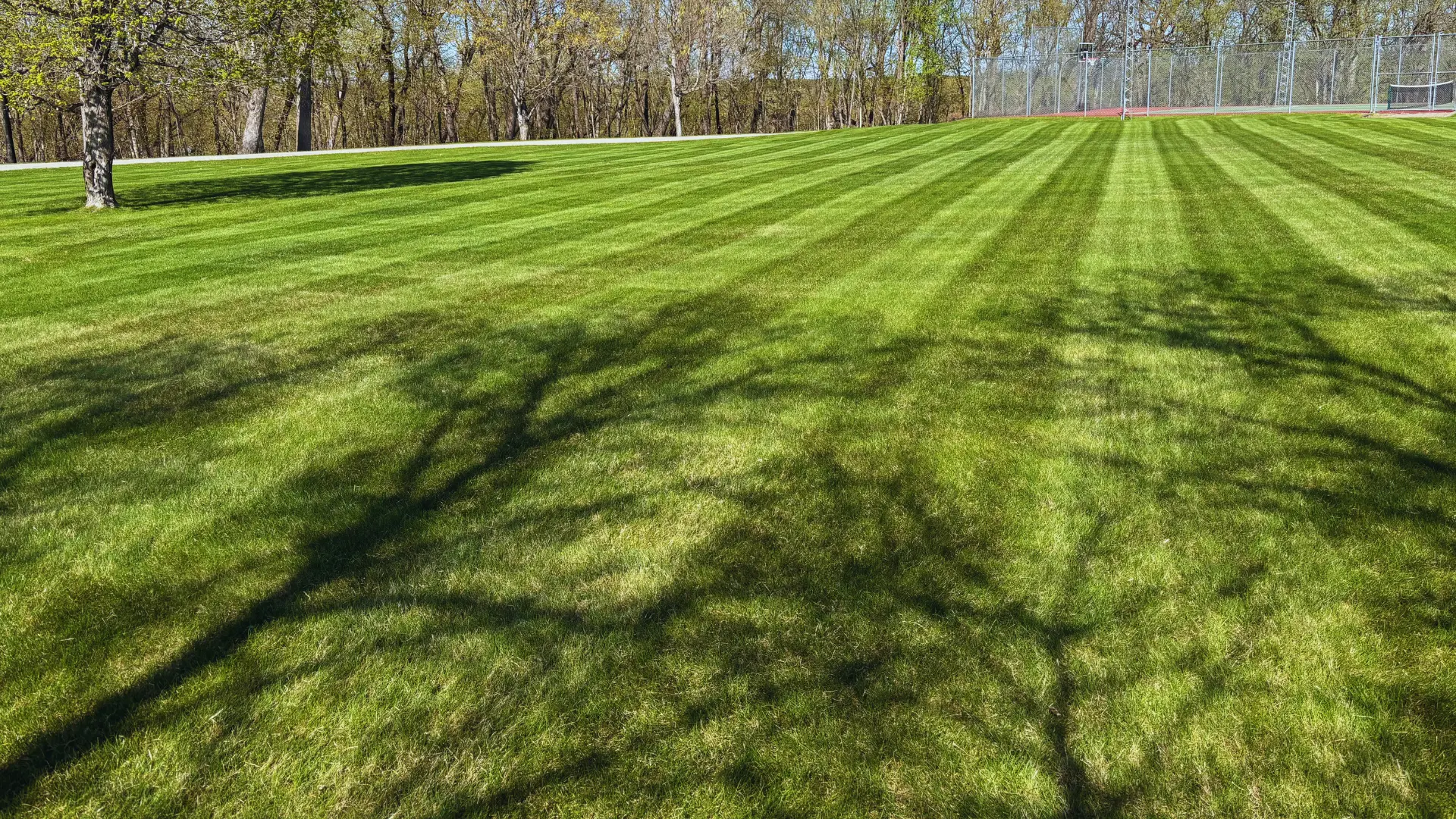
Sod vs. Hydroseeding: Which is Best for Your New Lawn?
When it comes to establishing a new lawn in Minnesota, homeowners usually find themselves at a crossroads: Sod or Hydroseeding? One offers an "instant" yard, while the other involves a growing process. At Miller Yard Care, we install both, but the "best" choice depends on your timeline, your lifestyle, and—most importantly, the long-term commitment to maintenance.
The "Instant Asset" Advantage of Sod
Sod is the gold standard for homeowners who want immediate results. Because the turf is already mature when it arrives at your property, it provides lifestyle benefits that seed simply cannot match in the first 30 days.
-
Quick Establishment: While you still have to water it faithfully, a sodded lawn is generally ready for light use in about two to three weeks.
-
The "Look" is Finished: You go from dirt to a lush green carpet in a single day, providing instant curb appeal. As noted by the UMN Extension, sodding provides an immediate lawn that protects the soil from the moment it is laid.
The "Customized Excellence" of Hydroseeding
-
While sod is fast, hydroseeding is often the superior long-term biological investment. Many assume hydroseeding is just a "cheaper" version of sod, but it offers customization that sod simply cannot.
-
Better Genetic Diversity: Most sod in Minnesota is 100% Kentucky Bluegrass. While beautiful, Bluegrass struggles in heavy shade or extreme drought. With Hydroseeding, we can customize the seed mix to match your yard's specific micro-climate. According to Michigan State University Extension, selecting high-quality species adapted to your specific site conditions is the most important step in establishing a healthy lawn.
-
Deep Rooting: Hydroseeded grass grows its roots directly into your native soil from day one, often resulting in a deeper, more resilient root system.
-
Whether you choose sod or hydroseeding, neither is a "set it and forget it" project. Both require a disciplined approach and a professional partnership to thrive long-term.
-
Precision Watering: Both methods require very particular watering schedules. According to Kansas State University Research, new sod should be watered frequently enough to keep the area between the sod and soil moist until roots knit. Hydroseeding requires a different touch—light, frequent misting to keep the seed-bed moist without causing washouts.
-
The Maintenance Myth (Sod): Many homeowners think sod is "once and done." In reality, sod often requires more attention in the first 2–3 years. Because sod is grown in different soil and then transplanted, it can become compacted. To keep it healthy, you should plan to aerate and overseed at least once a year for the first few seasons to help it fully "knit" into your property's soil and maintain its density.
-
Professional Programs: Both lawns require a dedicated fertilization and weed control program moving forward. Without proper nutrients and professional-grade weed management, even the most expensive sod can thin out and fail within a few seasons. We recommend enrolling in a Premium Weed Control & Fertilizer Program immediately after installation to protect your investment.
The Reality Check: Success Requires More Than Just Installation
Whether you choose sod or hydroseeding, neither is a "set it and forget it" project. Both require a disciplined approach and a professional partnership to thrive long-term.
-
Precision Watering: Both methods require very particular watering schedules. According to Kansas State University Research, new sod should be watered frequently enough to keep the area between the sod and soil moist until roots knit. Hydroseeding requires a different touch—light, frequent misting to keep the seed-bed moist without causing washouts.
-
The Maintenance Myth (Sod): Many homeowners think sod is "once and done." In reality, sod often requires more attention in the first 2–3 years. Because sod is grown in different soil and then transplanted, it can become compacted. To keep it healthy, you should plan to aerate and overseed at least once a year for the first few seasons to help it fully "knit" into your property's soil and maintain its density.
-
Professional Programs: Both lawns require a dedicated fertilization and weed control program moving forward. Without proper nutrients and professional-grade weed management, even the most expensive sod can thin out and fail within a few seasons. We recommend enrolling in a Premium Weed Control & Fertilizer Program immediately after installation to protect your investment.
The Verdict: Which Should You Choose?
The choice usually comes down to your lifestyle and your deadline:
1. Choose Sod if:
-
You have a tight deadline: If you are planning a graduation party, an outdoor wedding, or are putting your home on the market, sod is the only way to have a "10/10" lawn by the event date.
-
You have dogs: Keeping a dog off a hydroseeded lawn for 8 weeks is nearly impossible. Sod provides a durable, usable surface much faster, meaning fewer muddy paws and a yard that can handle "zoomies" in just a couple of weeks.
-
You are playing the long game: You want the best possible root structure and are willing to wait a few months for it to fill in naturally.
2. Choose Hydroseeding if you want customization: You want a lawn specifically engineered for your yard’s unique sun/shade conditions rather than a "one-size-fits-all" bluegrass. -
Start Your New Lawn Today
At Miller Yard Care, we don't just "drop and drive." We help you establish a plan for watering, aeration, and fertilization to ensure your investment lasts for decades.
Ready to transform your yard? Request pricing from Miller Yard Care and let our team help you choose the perfect turf solution for your property.

Comments (0)
Sorry! The comments have been closed.